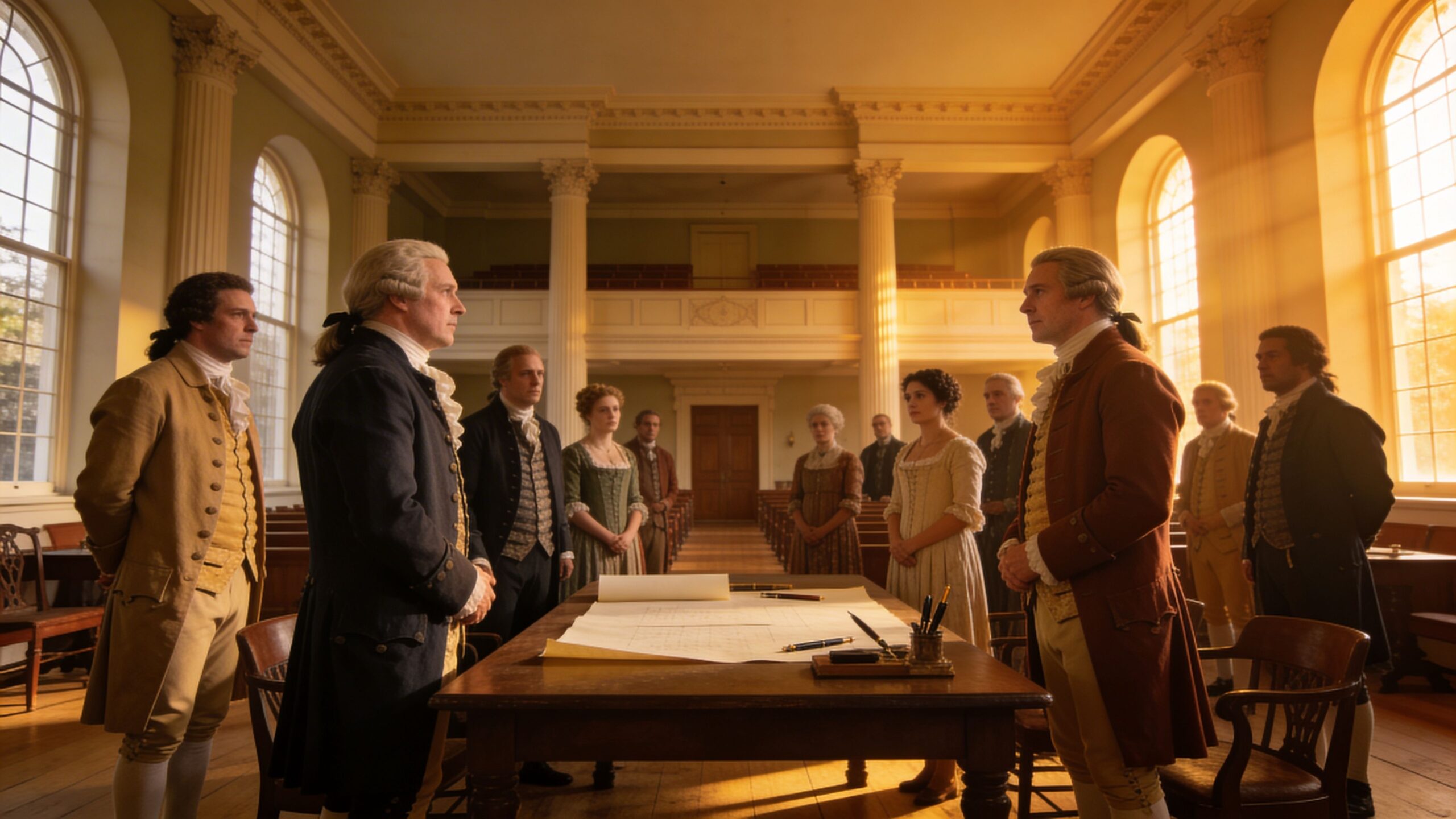
Why the Articles of Confederation Didn’t Work in Early America

Why did the Articles of Confederation fail in early America, and what made the system so ineffective? This guide explains the major weaknesses, from financial instability to lack of enforcement power, and the events that exposed them. Discover how these challenges pushed the nation toward creating the U.S. Constitution and building a stronger, more balanced government.
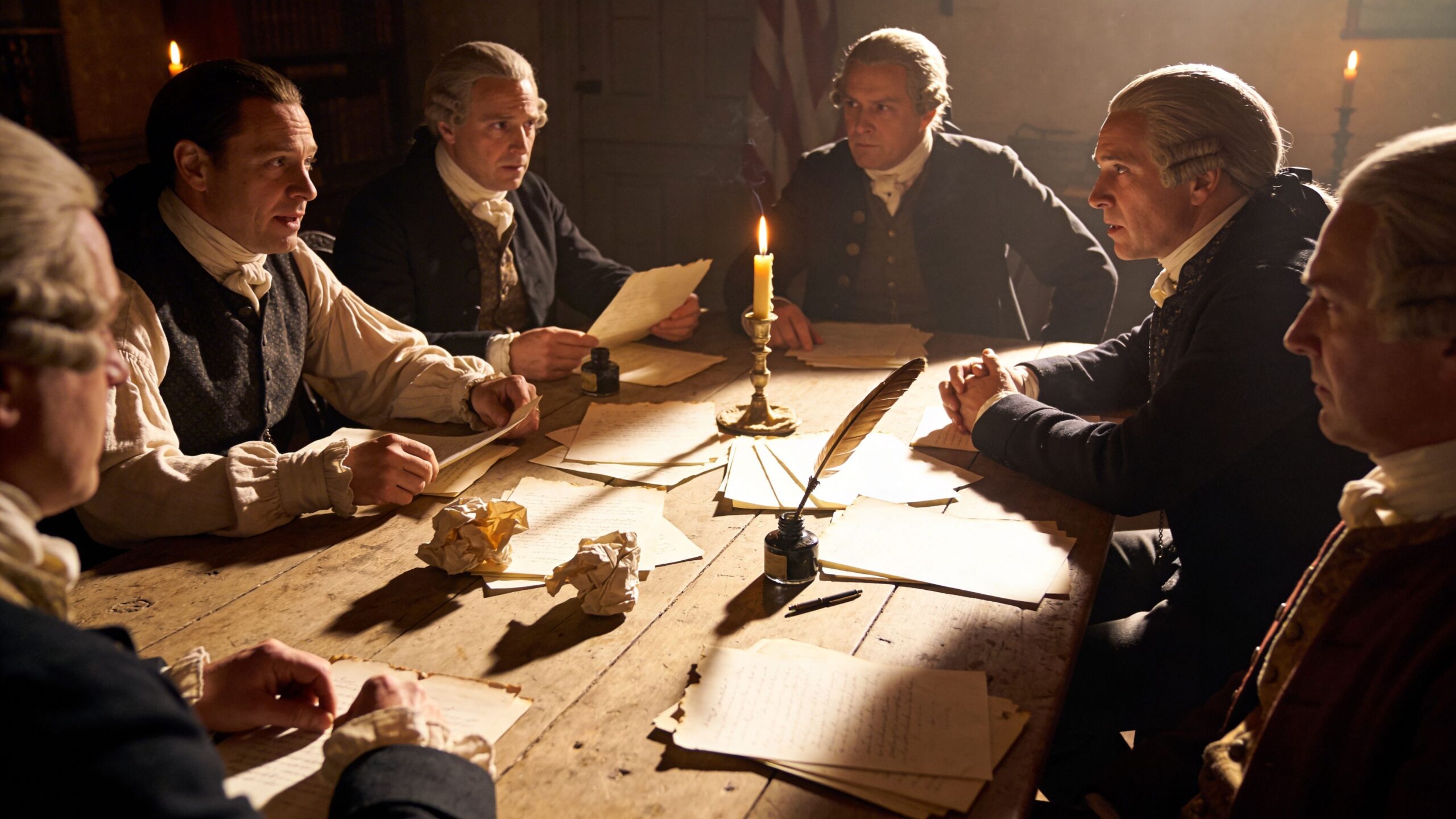

Weaknesses of the Articles of Confederation That Led to Change

Why did the Articles of Confederation fail, and what weaknesses forced America to change its system of government? This guide explores the major flaws, from financial instability to lack of enforcement power, and the turning points that led to the Constitution. Learn how early struggles shaped a stronger, more balanced government that could support a growing nation.

Articles of Confederation vs Constitution: Key Differences Explained

What’s the difference between the Articles of Confederation and the Constitution, and why did one replace the other? This guide breaks down the key contrasts in power, structure, and decision-making, showing how early weaknesses led to a stronger system. Discover how these two documents shaped American government and why their differences still matter in understanding federal power today.

What Were the Articles of Confederation and Why Did They Fail

What were the Articles of Confederation, and why did America’s first government collapse so quickly? This guide breaks down how the system worked, what it achieved, and the critical flaws that led to its failure. Explore the economic struggles, political tensions, and turning points like Shays’ Rebellion that pushed the nation toward creating the U.S. Constitution.

Articles of Confederation Explained Simply for Beginners

What was the Articles of Confederation, and why did it matter so much in shaping the United States? This beginner-friendly guide breaks down America’s first government in simple terms, explaining how it worked, what it achieved, and why it ultimately fell short. Discover the key lessons that led to the Constitution and how this early system influenced the balance of power we still see today.

Federalist vs Anti-Federalist Papers: The Debate That Shaped America

What was the debate between the Federalist and Anti-Federalist Papers, and why does it still matter today? These rival essays clashed over power, liberty, and the future of the Constitution. Their arguments shaped the structure of American government, led to the Bill of Rights, and created tensions that still define political debates over federal authority and individual freedom.

Federalist No. 10 Explained: Factions, Democracy, and Modern Politics

Curious about how factions shape democracy? Federalist No. 10 by James Madison unpacks the challenges of majority rule, minority rights, and factional politics. This article explains why factions are inevitable, how a large republic and representative government manage them, and what lessons modern politics can draw from Madison’s timeless wisdom. Discover the enduring relevance of this foundational essay for today’s polarized political landscape.

The Federalist Papers and the U.S. Constitution: How They Work Together

Curious how the Federalist Papers and the U.S. Constitution work together? This article dives into their complementary roles, showing how the essays clarify constitutional design, explain checks and balances, and guide democratic governance. Learn how Madison, Hamilton, and Jay crafted a blueprint for liberty, representation, and stability that continues to inform modern politics and civic engagement, offering timeless lessons for citizens and leaders alike.

Voltaire’s Influence on Religious Freedom in America

How did Voltaire help shape religious freedom in America? Explore how his Enlightenment defense of tolerance, freedom of conscience, and limits on church power influenced the First Amendment and the American commitment to religious liberty.

Social Contract Theory and the American Revolution

How did social contract theory ignite the American Revolution? Discover how Enlightenment ideas about consent, natural rights, and the right of revolution gave colonists the philosophical foundation to challenge British rule and build a new nation grounded in liberty.

The Enlightenment Roots of the Bill of Rights

How did Enlightenment philosophy shape the freedoms Americans cherish today? Discover how natural rights, religious toleration, free expression, and the rule of law influenced the creation of the Bill of Rights and continue to define liberty in the United States.

John Locke’s Influence on the Declaration of Independence

How did John Locke’s ideas shape America’s bold break from Britain? Explore how natural rights, consent of the governed, limited government, and the right of revolution became the philosophical backbone of the Declaration of Independence and the foundation of American democracy.