
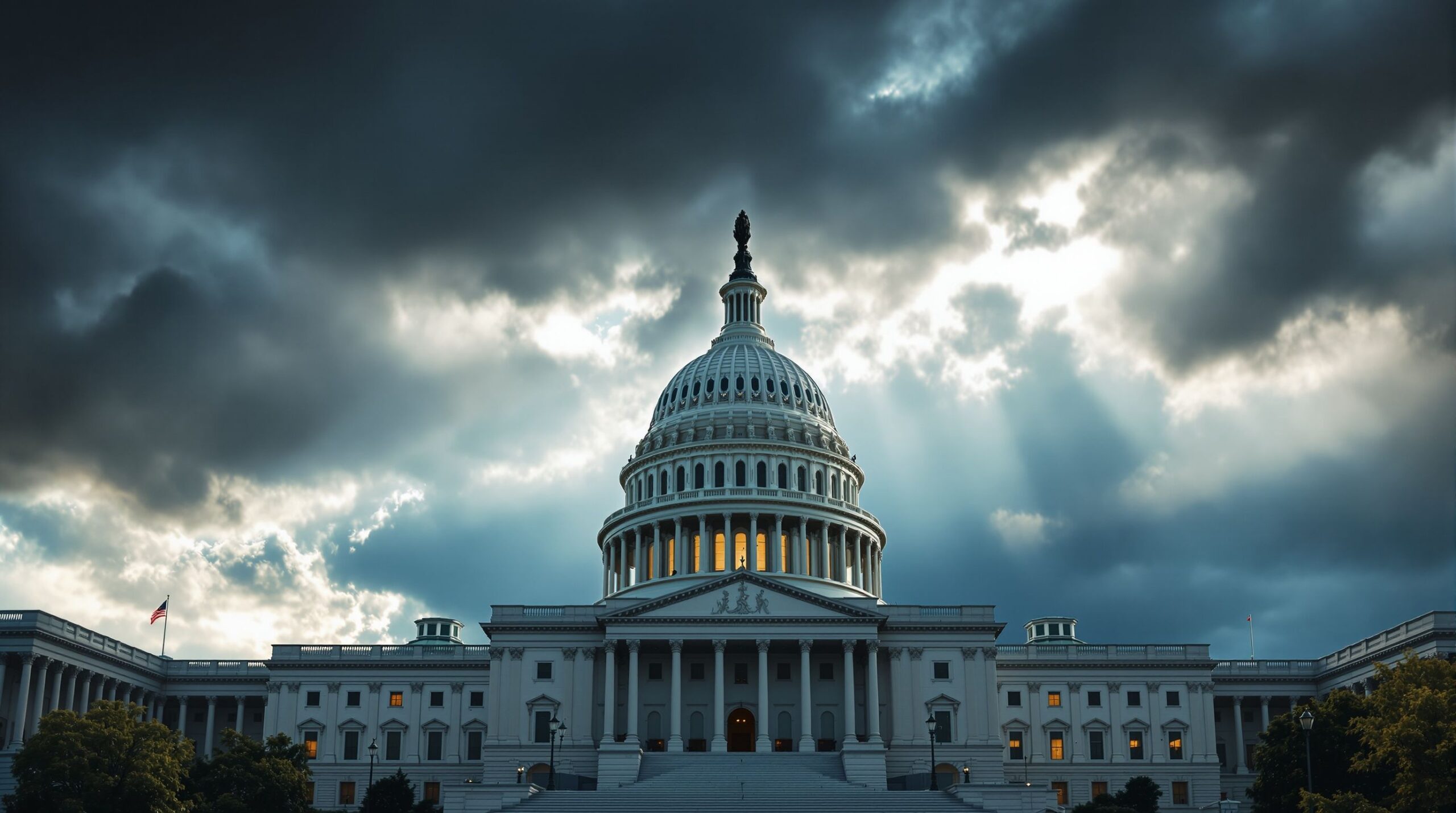
Constitutional Crises emerge at moments when the foundations of American government are tested, challenged, or pushed to their limits. These are the rare but defining periods when the meaning of the Constitution is not merely debated in theory, but contested in real time through political conflict, institutional strain, and national uncertainty. From disputes between branches of government to clashes over executive power, elections, and civil liberties, constitutional crises reveal both the fragility and resilience of the system the framers designed. This section of Constitution Street explores what qualifies as a constitutional crisis, how past crises have unfolded, and why they matter long after the headlines fade. You’ll examine historical turning points, Supreme Court interventions, and moments when unwritten norms proved just as important as written law. These articles also explore how checks and balances, public trust, and institutional restraint shape the resolution of constitutional conflict. Whether you’re studying civics, preparing for exams, or seeking perspective on modern political tensions, this collection provides clarity on how constitutional crises test the nation—and how the Constitution has endured through them.
A: When normal constitutional checks fail and a serious breakdown in governance or legitimacy becomes likely.
A: No—crisis implies institutions can’t resolve the conflict through normal rules or compliance.
A: Ideally the Constitution wins; outcomes depend on law, compliance, elections, and public legitimacy.
A: The Court interprets the Constitution, but it relies on other branches to follow and enforce rulings.
A: Yes—through laws, funding limits, oversight, and impeachment in extreme cases.
A: Yes—especially when state actions conflict with federal authority or constitutional rights.
A: Clear rules, compromise, institutional restraint, and leaders honoring outcomes and lawful processes.
A: Refusing a lawful transfer of power, ignoring court orders, or paralyzing government funding for leverage.
A: Often—crises can lead to new statutes, precedents, and norms that reshape future governance.
A: Learn the constitutional tools, verify claims, engage civically, and support lawful, peaceful processes.