
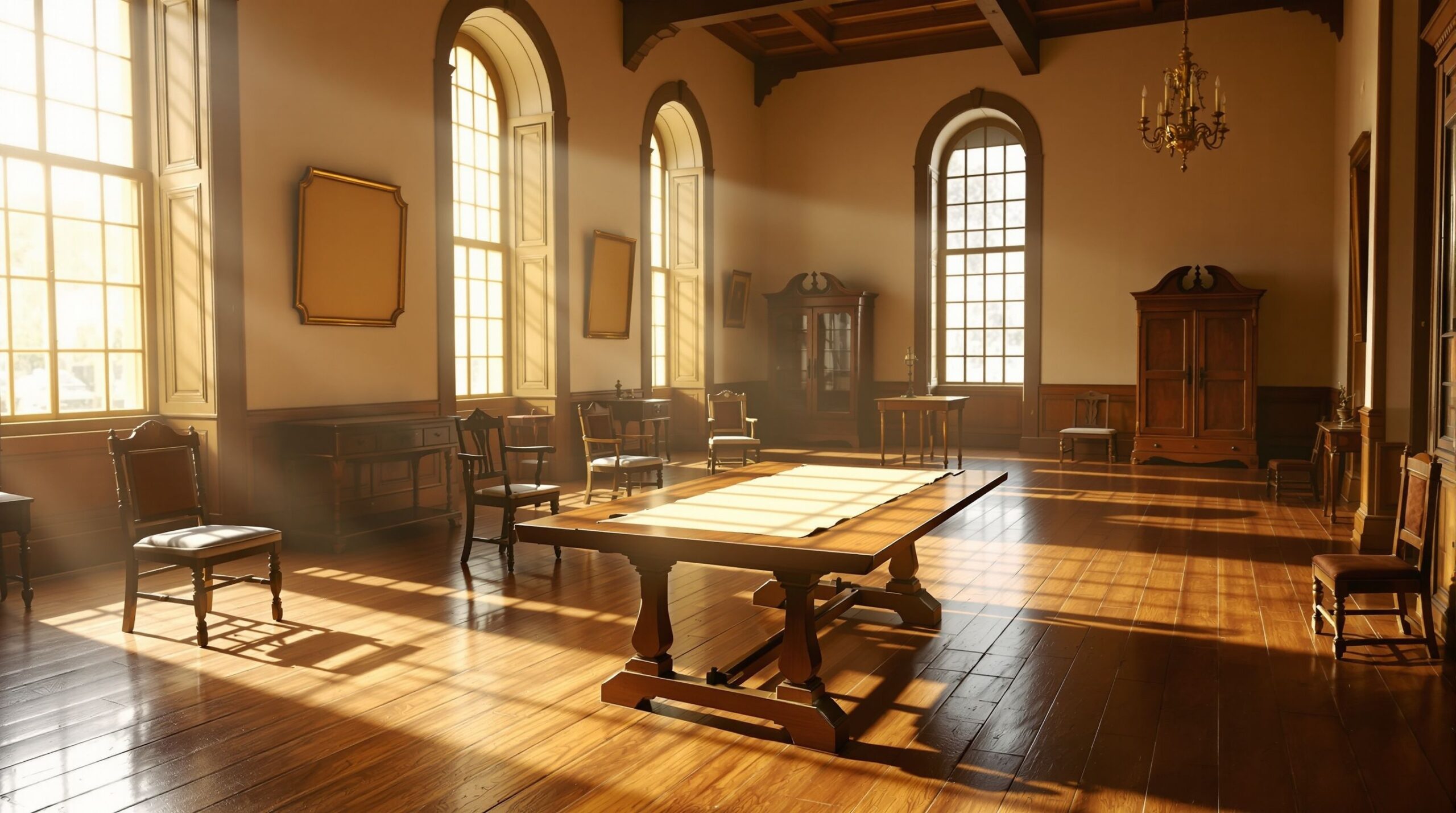
Galleries is where the Constitution’s story transforms from words on parchment into a vivid visual experience that pulls you straight into the heart of American history. This space brings the nation’s founding era to life through powerful imagery, capturing the places, artifacts, and moments that shaped the birth of a republic. Here, the past feels present—sunlit halls where bold ideas were debated, weathered documents that carry the weight of centuries, and iconic symbols that continue to define the American spirit. Every gallery invites you to see the Constitution from a new angle, revealing details you might never notice in a textbook and offering a deeper emotional connection to the people and principles that forged the nation’s identity. Whether you’re exploring historic landmarks, examining original artifacts, or stepping into artistic interpretations of constitutional themes, these visuals illuminate the stories behind the ideas. This is your chance to experience the Constitution in a way that’s immersive, inspiring, and unforgettable—through images that speak louder than words and bring the nation’s enduring legacy into sharp, brilliant focus.
A: It’s a visual hub of curated image collections—timelines, artifacts, portraits, and scenes that bring the Constitution to life.
A: Group images by theme—founding era, rights, amendments, cases, or people—to make browsing intuitive.
A: Aim for sets of 8–20 images so viewers get depth without feeling overwhelmed.
A: Clear detail, historical relevance, and a story connection to a clause, right, event, or figure.
A: Yes—brief, plain-language captions help connect visuals to key constitutional concepts.
A: Visual sequences, zoom-ins, and side-by-side comparisons help learners see patterns and context.
A: Absolutely; pairing old and new visuals shows how constitutional ideas still shape daily life.
A: Use descriptive alt text, readable captions, and clear contrast so everyone can engage with the images.
A: They visually support deeper articles, timelines, and lesson plans by giving readers an image-rich “tour.”
A: Look to archives, libraries, museums, and reputable educational sites that offer public-domain or licensed images.