
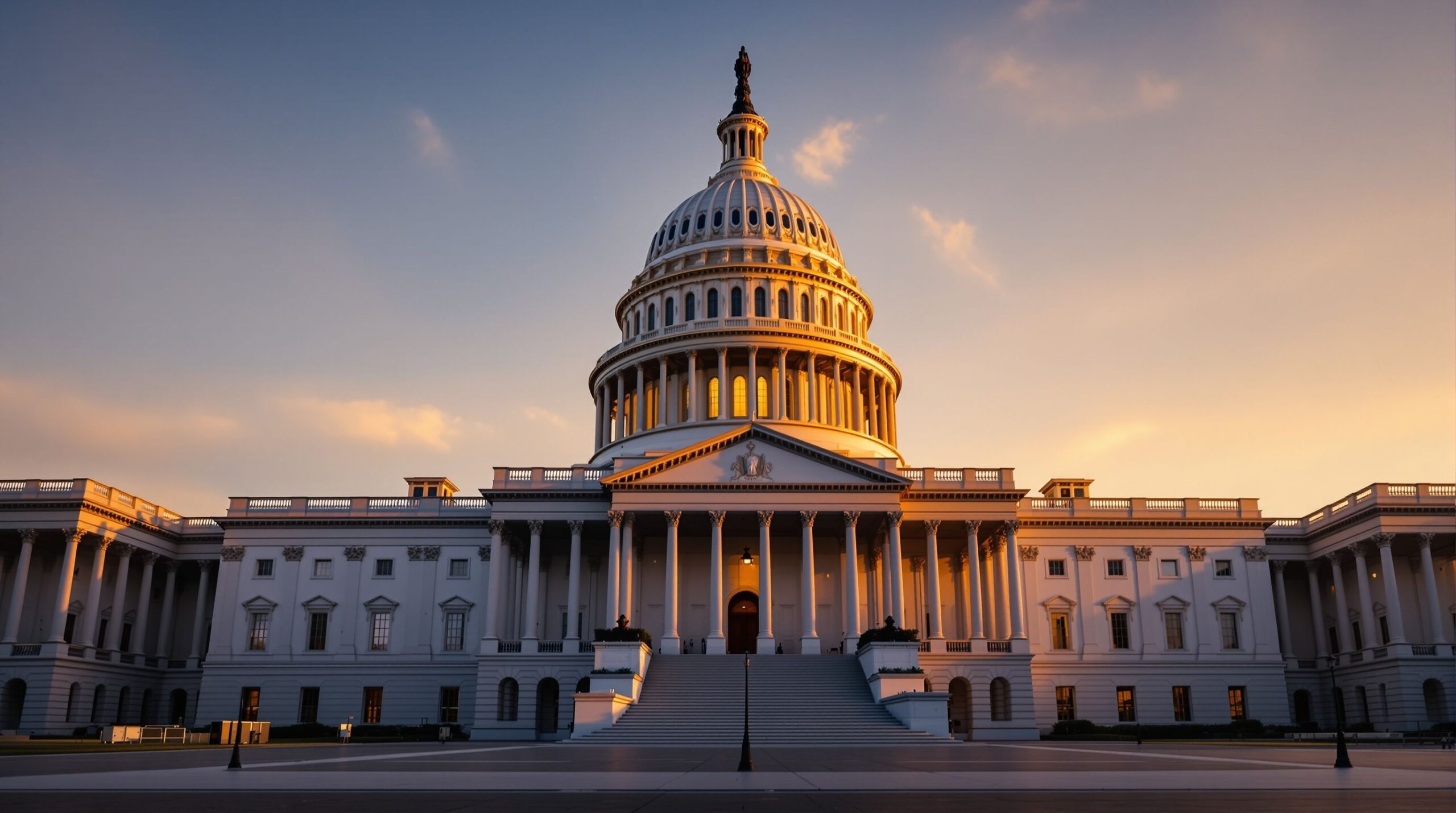
The Legislative Branch stands at the heart of American democracy, shaping the laws that guide everyday life and reflect the will of the people. Established by Article I of the Constitution, Congress was designed to be powerful, deliberate, and closely tied to the citizens it represents. Through spirited debate, careful compromise, and a system of checks and balances, the House of Representatives and the Senate work together to propose, refine, and pass legislation that affects everything from national security and economic policy to civil rights and education. This section of Constitution Street explores how the Legislative Branch functions, why it was structured as a bicameral body, and how its authority has evolved over time. You’ll discover the reasoning behind representation by population versus equal state representation, the lawmaking process from bill to statute, and the crucial oversight role Congress plays over the executive branch. Whether you’re studying constitutional foundations, preparing for exams, or simply curious about how laws are made, this collection of articles brings clarity, context, and historical insight to one of the most influential branches of the United States government.
A: It balances population-based representation (House) with equal state representation (Senate).
A: Passage in House + Senate, same text, then Presidential signature (or veto override).
A: Congress controls federal spending through budgets and appropriations.
A: Yes—two-thirds of both the House and Senate.
A: Impeachment is the charge (House); removal is conviction (Senate, two-thirds).
A: Hear experts, investigate issues, write and revise bills, and recommend what reaches the floor.
A: Yes—votes, calls, letters, meetings, testimony, local advocacy, and public comments.
A: Bicameral agreement, committee steps, negotiation, and procedural rules create deliberate friction.
A: Congress checking the executive branch through hearings, investigations, funding limits, and subpoenas.
A: Look up bills, votes, and debates via official congressional resources and the Congressional Record.