


Civic Education
Civic Education is where citizenship becomes more than a concept and turns into a living, practical skill set for everyday life. It bridges the gap between history and the present moment, showing how laws, institutions, and civic values directly shape the choices people make and the freedoms they exercise. On Constitution Street, this section explores how informed citizens are formed, how democratic systems function beyond textbooks, and why understanding civic

Voting and Participation
Voting and Participation sit at the heart of a functioning democracy, transforming individual voices into collective direction. This section of Constitution Street explores how civic engagement moves from principle to practice, shaping leadership, laws, and the future of communities large and small. Voting is more than a moment on Election Day; it is part of a broader culture of participation that includes understanding issues, evaluating candidates, engaging in dialogue, and

Political Parties and Platforms
Political Parties and Platforms shape how ideas compete, evolve, and ultimately influence public policy. On Constitution Street, this section explores the role parties play in organizing political thought, mobilizing voters, and translating broad values into concrete agendas. Political parties are more than labels; they are living coalitions that reflect changing social priorities, economic debates, and visions for the nation’s future. Platforms serve as roadmaps, outlining where parties stand on key

Media and Free Speech
Media and Free Speech stand at the center of an open society, shaping how ideas are shared, challenged, and understood. This section of Constitution Street explores the powerful relationship between expression and information, examining how voices reach the public and how free speech protects the exchange of ideas across generations. Media has evolved from print and broadcast to digital platforms that move faster than ever, amplifying both opportunity and responsibility.
Activism and Reform
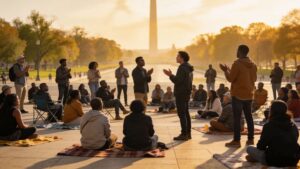
Activism and Reform capture the energy of citizens who push societies to reflect, respond, and evolve. This section of Constitution Street explores how change takes shape when people challenge existing systems, advocate for new ideas, and work to improve laws, institutions, and public life. Activism is not limited to marches or headlines; it includes organizing communities, raising awareness, engaging policymakers, and persistently calling attention to injustice or unmet needs. Reform

Public Policy Debates
Public Policy Debates bring the most pressing questions of society into the open, where ideas are tested, challenged, and refined. This section of Constitution Street explores how policies are shaped through discussion, disagreement, and compromise, revealing the dynamic process behind laws and government decisions. Public policy is rarely simple; it reflects competing values, economic realities, and social priorities that must be weighed against one another. These articles examine how debates

Local Governance
Local Governance is where democracy becomes personal and policies meet everyday life. This section of Constitution Street explores how cities, towns, counties, and local boards make decisions that directly affect communities, from public services and zoning to education and safety. While national politics often dominate headlines, local governance quietly shapes the spaces people live in, the rules they follow, and the opportunities available to them. These articles examine how local