
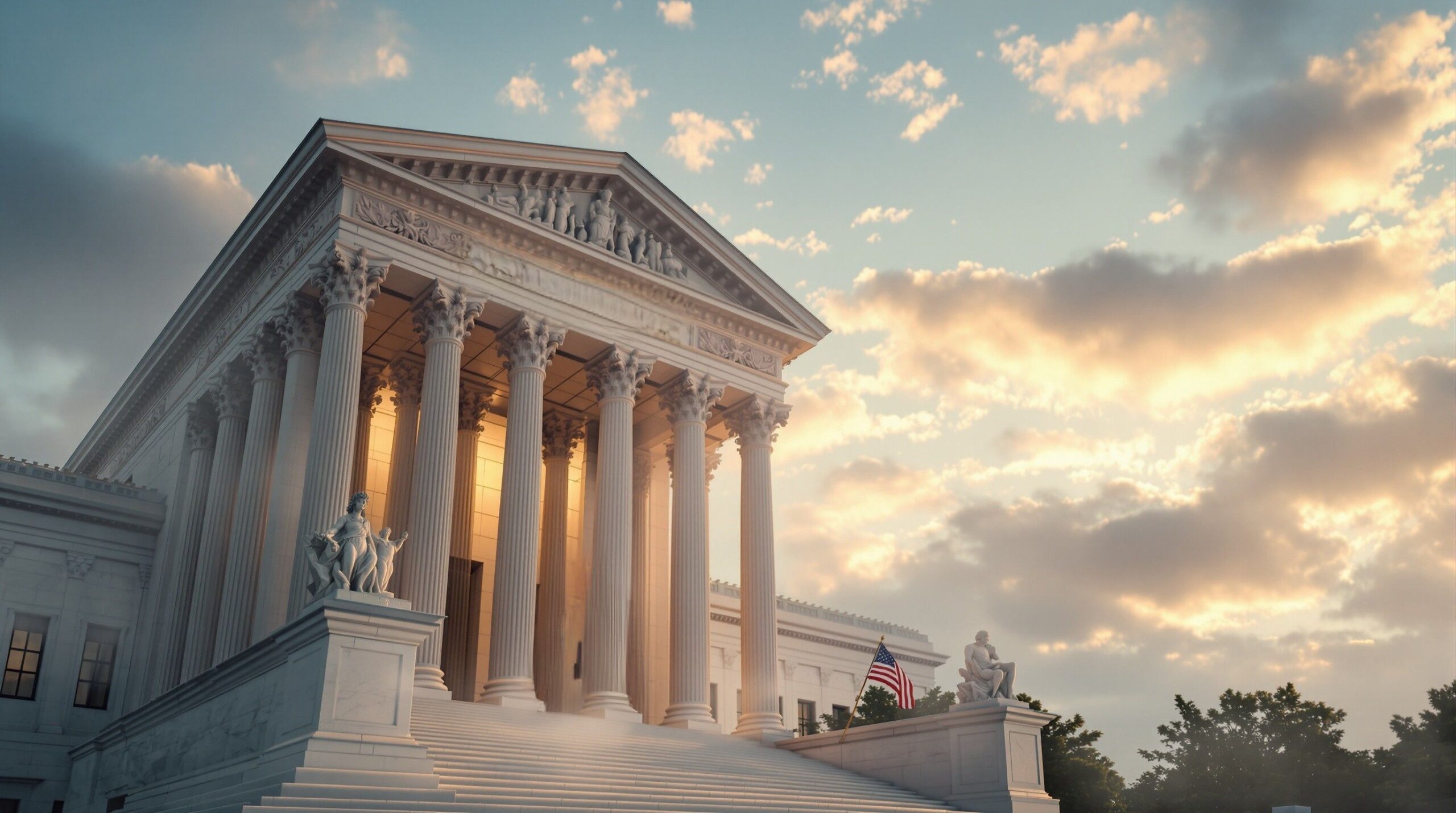
Civil Rights and Liberties sit at the very heart of the American constitutional story, shaping how freedom is defined, protected, and challenged across generations. This collection of articles explores the landmark Supreme Court cases that have tested the boundaries of equality, liberty, and justice, revealing how the Constitution evolves through conflict, courage, and interpretation. From pivotal rulings on free speech and religious expression to transformative decisions on racial equality, privacy, voting rights, and due process, these cases illuminate the moments when individual freedoms collided with government power—and when the Court was asked to draw the line. Each decision reflects not only the legal arguments of its time, but also the social movements, cultural shifts, and moral debates that pushed the nation forward. Together, these rulings form a living timeline of American rights, showing how constitutional principles are applied in real lives and real struggles. Whether you are studying history, law, or civic responsibility, this section invites you to explore how Supreme Court decisions have expanded, clarified, and sometimes redefined what it truly means to be free under the Constitution.
A: Civil rights focus on equality and non-discrimination; civil liberties focus on freedoms and limits on government.
A: Usually not directly—constitutional claims typically require government action, but civil rights laws may regulate private conduct.
A: Some limits exist (like certain threats or narrow time/place/manner rules), but viewpoint discrimination is highly suspect.
A: The government must follow fair rules, and some actions are off-limits even if procedures are followed.
A: The government can’t treat people differently without a legally sufficient reason—stronger reasons are required in sensitive categories.
A: Courts interpret constitutional limits; Congress can pass laws that protect rights and create remedies within its powers.
A: It determines whether constitutional protections apply—most constitutional rights claims need government involvement.
A: Not always; there are exceptions, but searches must still be reasonable under the Fourth Amendment.
A: A legal doctrine that can limit lawsuits against officials unless the right was clearly established in prior cases.
A: Through lawsuits, agency enforcement, DOJ actions, injunctions, damages, and sometimes federal funding conditions.