
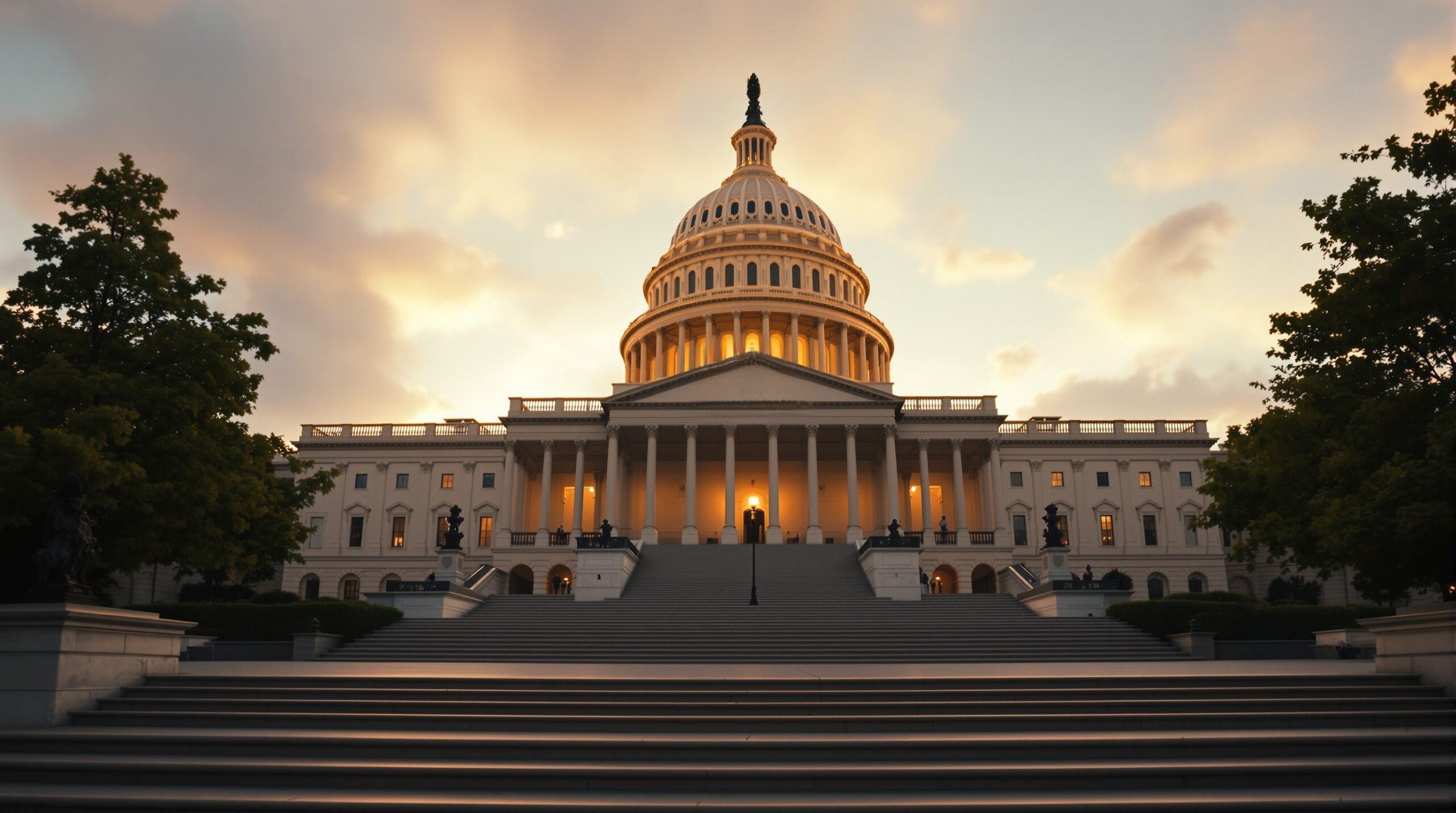
Congress and the Constitution are inseparably linked, forming the foundation of how representative lawmaking works in the United States. The framers placed Congress first in the Constitution to emphasize its central role in reflecting the will of the people while carefully limiting its power through structure and procedure. Article I outlines what Congress can do, how it must operate, and where its authority ends, creating a system built on debate, accountability, and balance. This section of Constitution Street explores how constitutional principles shape congressional powers such as taxation, legislation, war authorization, and oversight of the executive branch. You’ll examine why the House and Senate were designed differently, how enumerated and implied powers function, and how key clauses like the Commerce Clause and Necessary and Proper Clause have shaped American governance over time. From historic compromises to modern constitutional debates, these articles reveal how Congress both derives its authority from the Constitution and actively interprets it through action. Whether you’re studying civics, preparing for exams, or deepening your understanding of constitutional law, this collection offers clear insight into how constitutional design guides the nation’s lawmaking body.
A: The Framers placed lawmaking first because it’s closest to the people and central to self-government.
A: Specific powers listed in the Constitution that Congress is allowed to use.
A: Powers not listed word-for-word but supported by the Necessary and Proper Clause to carry out listed powers.
A: No—laws must fit constitutional authority and can’t violate protected rights.
A: Congress controls federal spending—funding, conditions, and priorities.
A: Oversight, funding, confirmations, legislation, and impeachment powers.
A: Different rules, constituencies, term lengths, and incentives—by constitutional design.
A: Congress can revise it or override the veto with two-thirds votes in both chambers.
A: Congress can propose amendments, but states must ratify for them to take effect.
A: Start with Article I, especially Sections 1–10, for structure, powers, and limits.