
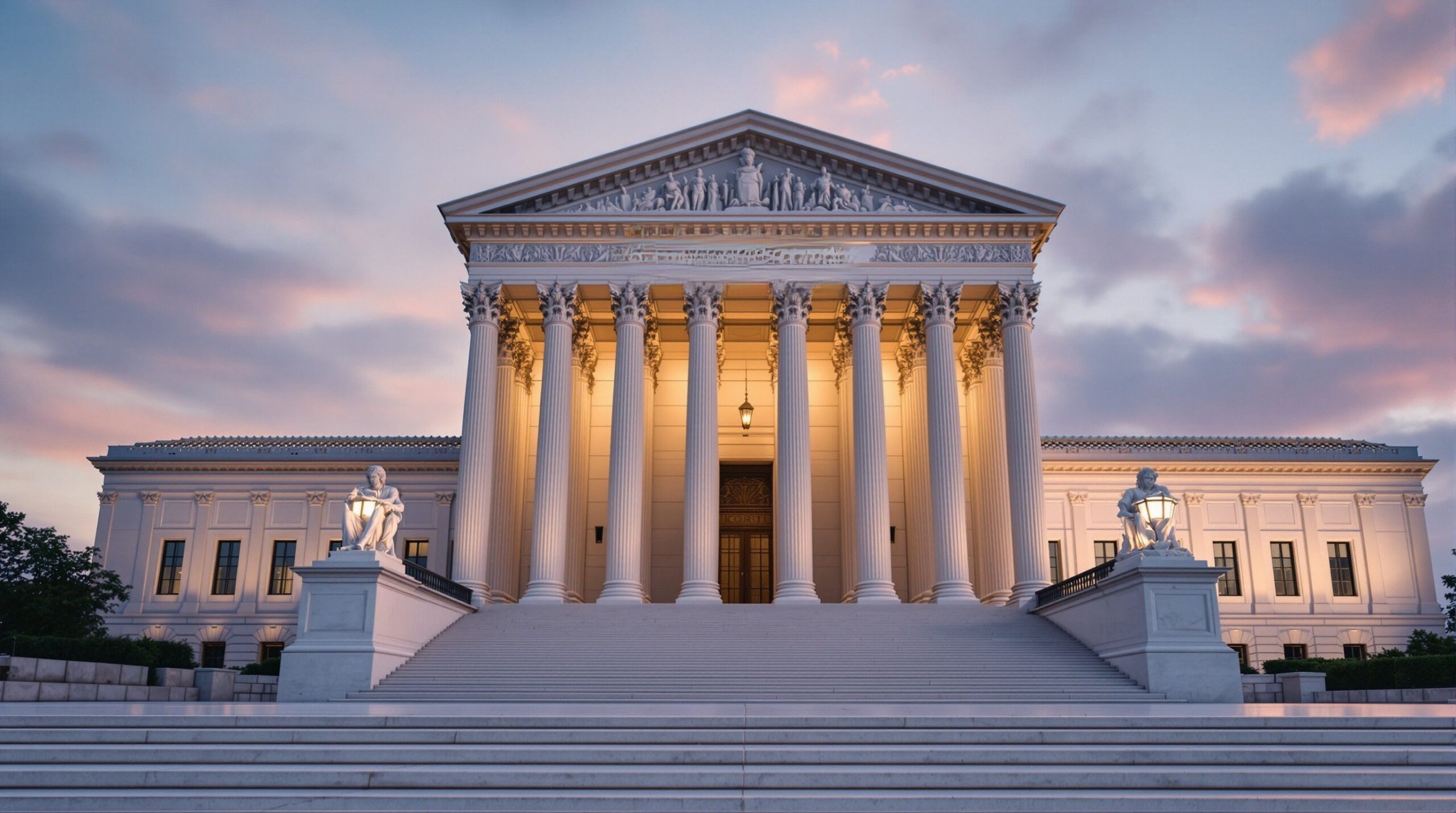
The Judicial Branch serves as the guardian of the Constitution, interpreting the law and ensuring that justice is applied fairly and consistently across the nation. Established by Article III, this branch was designed to stand independent from political pressure, protecting individual rights while upholding the rule of law. Through the Supreme Court and the federal court system, judges examine disputes, resolve constitutional questions, and determine whether laws and government actions align with the Constitution. Their decisions shape civil liberties, balance federal and state power, and influence how society understands fairness and equality. This section of Constitution Street explores how courts operate, how cases move through the judicial system, and why judicial review plays such a critical role in American government. You’ll gain insight into landmark Supreme Court decisions, the appointment and confirmation of judges, and the careful reasoning behind written opinions. Whether you’re studying civics, preparing for exams, or seeking a deeper understanding of constitutional interpretation, these articles illuminate the quiet yet powerful branch that safeguards justice, stability, and the enduring principles of American democracy.
A: It interprets laws, resolves disputes, and ensures government actions follow the Constitution.
A: Courts interpret laws and set precedents, but Congress passes statutes and can revise them.
A: The power to strike down laws or actions that conflict with the Constitution.
A: To protect independence—so judges can rule based on law, not politics.
A: Trial courts hear evidence; appellate courts review legal errors and interpretations.
A: Usually by petition; the Court selects a small number to review from lower courts.
A: When federal appeals courts disagree on the law—often triggering Supreme Court review.
A: Yes—courts can invalidate unconstitutional laws or unlawful executive actions.
A: Most are in state courts; federal courts handle specific categories of cases.
A: Look at official court websites and reputable legal databases that publish opinions.