
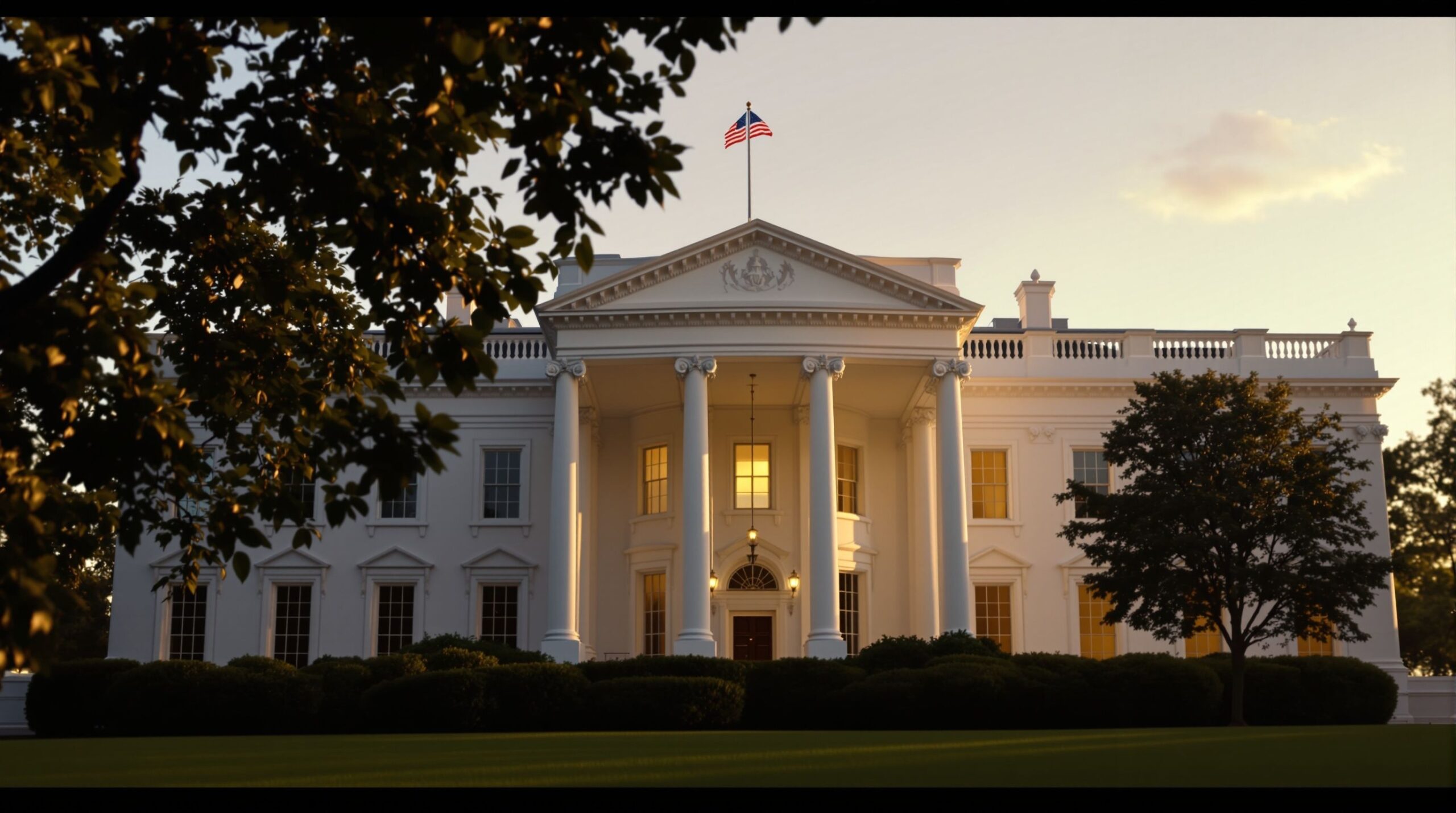
The Executive Branch brings the laws of the United States to life, transforming ideas written on paper into action felt across the nation. Established by Article II of the Constitution, this branch was designed to provide energy, leadership, and accountability within the federal government. Led by the President, supported by the Vice President, and carried out through executive departments, agencies, and advisors, the Executive Branch is responsible for enforcing laws, directing national policy, and representing the country on the global stage. From commanding the armed forces and negotiating treaties to overseeing federal agencies and responding to national emergencies, its influence reaches into nearly every aspect of public life. This section of Constitution Street explores how presidential powers work, where their limits lie, and how the Executive Branch interacts with Congress and the courts through checks and balances. You’ll gain insight into executive orders, cabinet roles, and the day-to-day operations of the federal government. Whether you’re studying civics, preparing for exams, or deepening your understanding of American governance, these articles illuminate the dynamic force that drives the nation forward.
A: It enforces laws, runs federal agencies, and manages daily government operations.
A: No—Congress makes laws, but Presidents can influence policy through vetoes and executive actions.
A: A directive telling executive agencies how to carry out laws and manage operations.
A: Congress (laws, funding, oversight, impeachment) and the courts (judicial review).
A: It’s the President’s senior leadership team running major departments and advising on policy.
A: Treaties require Senate approval; executive agreements typically do not, depending on the authority used.
A: Congress declares war; Presidents can direct military operations, especially under authorizations and emergencies.
A: Federal clemency that can forgive or reduce penalties for federal crimes.
A: Congress passes broad laws; agencies create detailed regulations to implement them.
A: Look for official publications and agency sites that list executive orders, rules, and announcements.